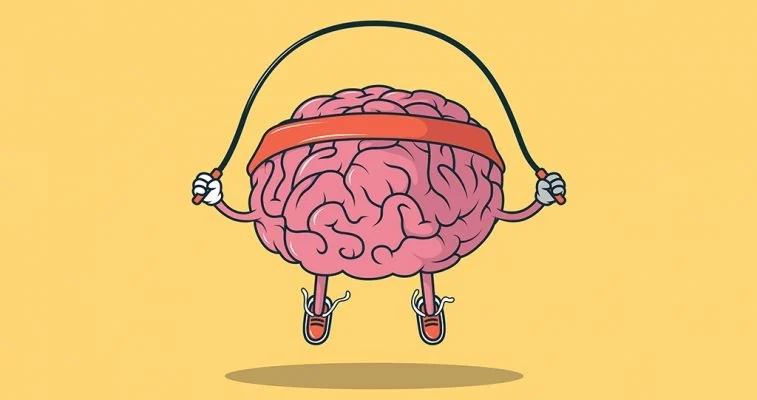
In the whirlwind of our daily lives, it’s easy to overlook one of the most vital aspects of our well-being: our mental health. We rush from one task to another, navigate through a maze of responsibilities, and often find ourselves caught up in a relentless cycle of busyness. We often tell ourselves, we just have to push through, or the next deadline is critical one to make, or we just need to hold it together through the exam period, or this is silly season so just deal with it. While we may notice the pain or stress we tend to deal with it by pushing or forcing ourselves to move on or get on. As one crisis is averted the next one is there and we slip into martyr mode believing there is no other way.
But in the midst of this chaos, do we ever pause to consider where we’re operating from mentally and emotionally? Do we notice when we’re feeling sad, angry, upset, depressed, overwhelmed, frustrated or anxious? More importantly, are we equipped with the tools to take care of ourselves and shift to a healthier mental space?
These questions point to crucial steps in the journey towards mental well being. Mental health is often associated with mental illness. But mental well being goes beyond that and speaks to how we day in and day out cope with life’s challenges, frustrations that leave us in a negative place. Mental health refers to our capacity to adapt, recover from setbacks and maintain a positive outlook, amidst all the chaos and drama.
Mental health begins with self-awareness. To grow self awareness we need to slow down from all the busyness. Its about finding stillness in all the chaos. When we slow down we can notice our internal world. Its like standing still while being on a merry go round. Slowing down, pausing is the biggest gift we can give ourselves in the moment.
Recognizing the Signs
The first step is acknowledging negative feelings that are depleting our resources and generating negative outcomes for us. When we are feeling angry or hurt or sad we may be responding to demands placed on us in unhealthy ways. We may shout at others, or loose our temper or fire off an unprofessional email. We need to acknowledge, notice, identify when we are feeling overwhelmed, angry, stressed.
Do we acknowledge when we’re feeling overwhelmed by the demands of our daily routines? Can we identify moments when anger or sadness begins to cloud our judgment? It’s crucial to pay attention to these signals, for they are like warning signs on the road of life.
Taking Care of Ourselves
The next step is self-care. This doesn’t mean indulging in extravagant spa days or elaborate vacations (although those can be wonderful!). Self-care starts with simple, daily practices that nurture our mental health. It’s about getting enough sleep, eating well, staying physically active, and engaging in activities that bring us joy and relaxation. Self-care is the cornerstone of mental well-being.
Shifting to a Healthier Mental Space
Perhaps one of the most powerful skills we can develop is the ability to shift our mental state when needed. We can’t always control external circumstances, but we can control our responses to them. This means learning to manage stress, practicing mindfulness, and adopting techniques that allow us to shift from anxiety to calm, from sadness to contentment, and from overwhelm to balance.
A Positive Mindset for Life’s Challenges
Ultimately, mental well-being is about approaching life’s challenges with a positive mindset. It’s recognizing that adversity is a part of life but that our responses to it can make all the difference. A positive mindset doesn’t deny the existence of difficulties but rather seeks opportunities for growth and resilience in the face of adversity.
In the hustle and bustle of modern life, it’s easy to lose sight of our mental health. However, by taking these crucial steps—recognizing our emotional states, practicing self-care, and cultivating a positive mindset—we can build a strong foundation for mental well-being. It starts with slowing down, taking a deep breath, and making a conscious choice to prioritize our mental health. After all, it’s one of the most valuable investments we can make in ourselves.
Image Credit : Be More Coaching Services